Common Causes of Damage in Brick and Stone Flatwork
Local contractors specializing in brick and stone flatwork damage repair can help address common causes of damage like settling, freeze-thaw cycles, and moisture intrusion to restore durability and appearance.
Understanding the common causes of damage in brick and stone flatwork is essential for property owners who want to maintain the integrity and appearance of their outdoor surfaces. Whether it's due to shifting ground, water infiltration, or freeze-thaw cycles, these issues can lead to cracks, uneven surfaces, or even structural failure over time. Recognizing the factors that contribute to such damage can help homeowners and business owners identify problems early and seek appropriate repairs before minor issues become costly repairs. Local contractors experienced in brick and stone flatwork damage repair are equipped to assess these causes and provide solutions tailored to the specific challenges of the area.
Exploring the typical reasons behind damage in brick and stone flatwork also highlights the importance of regular inspection and proper maintenance. Property owners in the community might consider this information especially relevant if they notice signs of deterioration, such as loose or cracked stones, uneven surfaces, or water pooling. Connecting with local service providers who specialize in flatwork repair can ensure that these issues are addressed promptly and effectively. Keeping these common causes in mind can help preserve the longevity and safety of outdoor surfaces, making it easier to maintain a property’s value and curb appeal over time.
- Brick and stone flatwork - homeowners may need damage repair services when cracks or shifting occur due to ground movement or settling.
- Brick and stone flatwork - moisture infiltration from poor drainage or freeze-thaw cycles can cause deterioration, prompting professional repairs.
- Brick and stone flatwork - uneven settling or root intrusion might lead to uneven surfaces that require expert leveling and stabilization.
- Brick and stone flatwork - exposure to harsh weather conditions can result in surface spalling or chipping, which local contractors can restore.
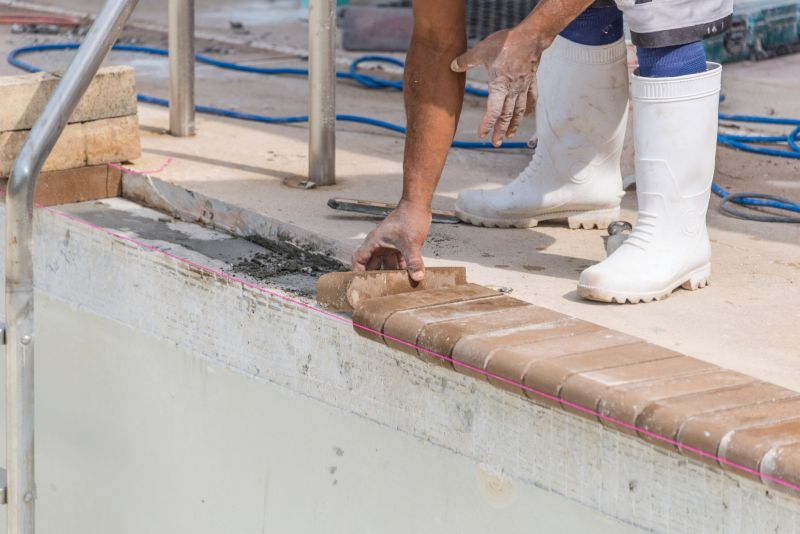
- Brick and stone flatwork - improper installation or aging materials may cause mortar joint damage, needing skilled repair to maintain integrity.
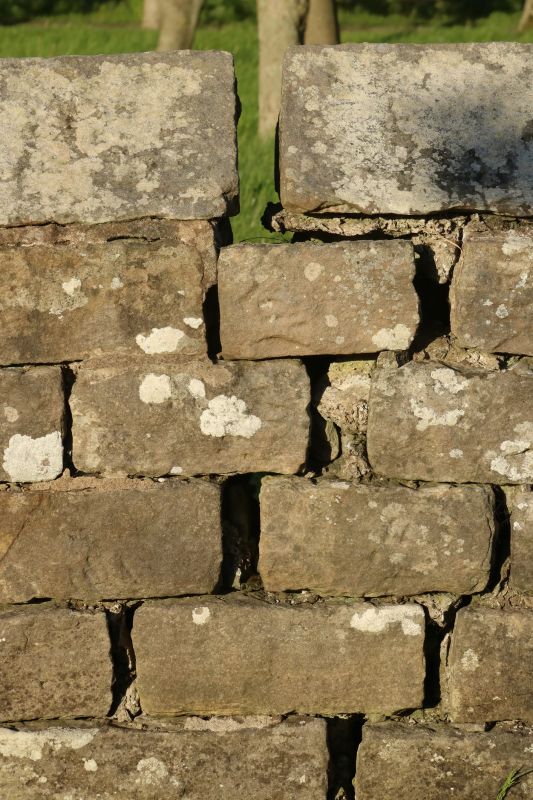
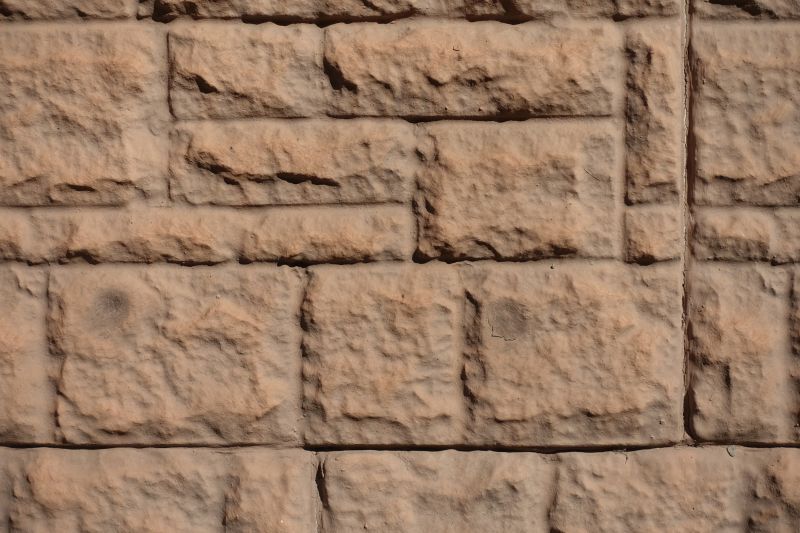
When homeowners search for information about common causes of damage in brick and stone flatwork, they are often trying to understand why their existing surfaces are deteriorating or developing issues. These flat surfaces, which include patios, walkways, driveways, and flooring in outdoor living spaces, are exposed to a variety of environmental and structural factors that can lead to damage over time. Understanding these causes helps property owners identify potential problems early and plan for repairs or preventative measures. Many are also exploring options for restoration or reinforcement to extend the lifespan of their flatwork, making it essential to know what typically contributes to damage in these durable materials.
The problems associated with damage in brick and stone flatwork often relate to issues like cracking, spalling, uneven settling, and surface deterioration. Cracks can develop due to ground movement, temperature fluctuations, or improper installation, leading to water infiltration that worsens the damage. Spalling, or surface flaking, is frequently caused by freeze-thaw cycles where water trapped within the material expands as it freezes, causing the surface to break apart. Uneven settling or shifting of the foundation beneath the flatwork can result in uneven surfaces or sinking sections. These issues not only compromise the appearance but can also pose safety hazards or lead to further structural problems if left unaddressed.
Certain property types tend to be more prone to these common causes of damage. Residential homes with outdoor patios, walkways, or driveways often experience damage from exposure to weather and ground movement. Commercial properties with large paved areas or outdoor plazas also face similar challenges, especially in areas with significant temperature changes or unstable soil conditions. Additionally, properties with older flatwork may suffer from deterioration due to age-related wear and tear, combined with environmental stresses. Local contractors who specialize in brick and stone flatwork damage repair are familiar with the specific issues that arise in these property types and can provide targeted solutions to restore and protect these surfaces.
Understanding the common causes of damage in brick and stone flatwork helps property owners recognize the importance of timely repairs and proper maintenance. Many issues stem from factors like water infiltration, ground movement, and temperature changes, which can be mitigated with the right expertise. When damage occurs, local service providers experienced in flatwork repair can assess the situation, identify the root causes, and recommend appropriate solutions such as crack repair, surface sealing, or foundation stabilization. Connecting with these professionals ensures that flatwork is restored effectively, preserving both the functionality and appearance of outdoor surfaces for years to come.
Concrete paving projects - local contractors experienced in concrete flatwork share skills in surface preparation and repair that are applicable to addressing damage in brick and stone flatwork.
Patio installation services - these projects require planning and skill in working with durable materials, similar to the techniques used in maintaining and repairing brick and stone surfaces.
Driveway repair services - professionals handling driveway repairs often deal with issues like cracking and settling, which are common causes of damage in brick and stone flatwork.
Walkway construction - building and restoring walkways involves understanding soil movement and proper material placement, relevant to preventing damage in flatwork surfaces.
Retaining wall projects - these require knowledge of soil pressure and drainage, skills that also help address water-related damage in brick and stone flatwork.
Landscape edging services - installing and maintaining edging involves similar planning and material handling skills as those used in flatwork repair and damage prevention.
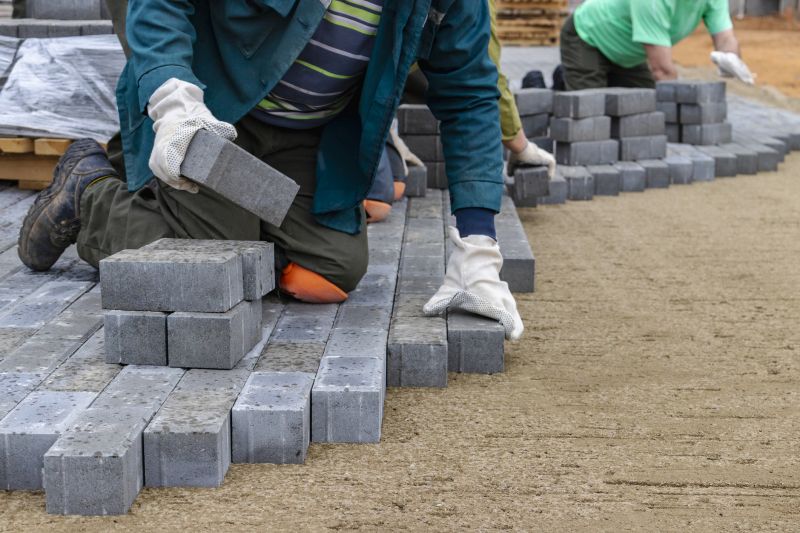
When evaluating service providers for brick and stone flatwork damage repair, it’s important to consider their experience with similar projects. Contractors who have handled issues related to common causes of damage-such as settling, freeze-thaw cycles, or improper installation-are more likely to understand the nuances of repair work and deliver effective solutions. Homeowners should inquire about the types of projects a contractor has completed in the past and whether they have encountered issues similar to those affecting their own flatwork. This helps ensure that the selected local contractors possess practical knowledge and have developed effective techniques for addressing specific damage causes.
Clear written expectations are essential when choosing a repair service provider. A reputable contractor should be able to provide a detailed scope of work, outlining what repairs will involve, the materials to be used, and the estimated process for restoring the flatwork. Having these expectations documented helps prevent misunderstandings and ensures that both parties are aligned on the scope of the project. Homeowners are encouraged to ask for written estimates or proposals that specify the work to be done, which can serve as a reference point throughout the repair process and facilitate a smoother experience.
Good communication and reputable references are key indicators of a dependable local service provider. Contractors who are transparent about their approach, responsive to questions, and willing to provide references or examples of previous projects demonstrate professionalism and reliability. Speaking with past clients or reviewing references can give insight into the contractor’s ability to manage repairs related to common causes of damage in brick and stone flatwork. Clear, ongoing communication helps homeowners stay informed about progress and ensures that expectations are met, ultimately leading to a more satisfactory repair experience.
Property owners often search for common causes of damage in brick and stone flatwork when they are planning practical projects around their homes and businesses. Local pros provide Brick and Stone Flatwork Damage Repair services for everyday jobs and straightforward project options.
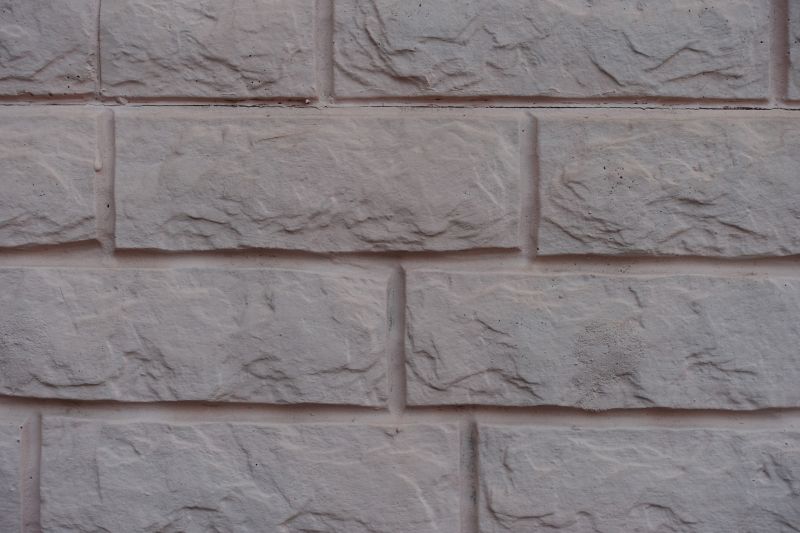
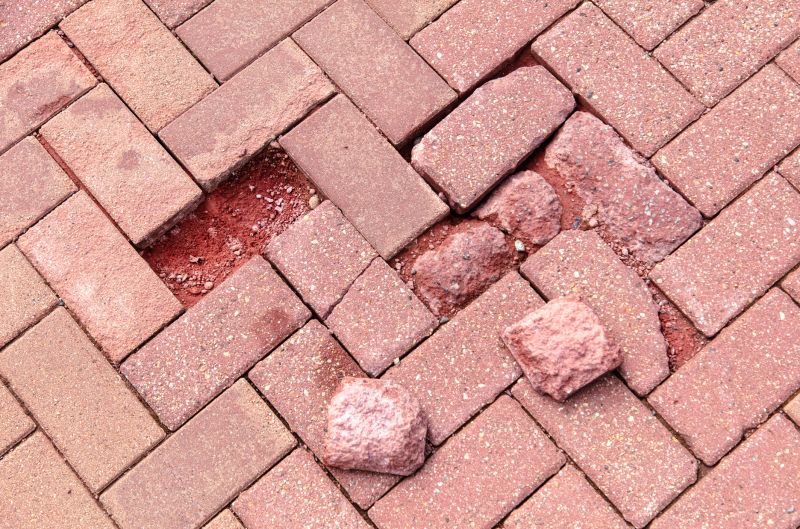
Understanding the common causes of damage in brick and stone flatwork can help property owners recognize issues early and seek appropriate repair services. Everyday situations such as heavy foot traffic, exposure to moisture, or improper installation can lead to cracks, uneven surfaces, or deterioration over time. Property owners might notice small cracks or loose stones developing in their walkways, patios, or driveways, prompting them to explore repair options. Local contractors experienced in brick and stone flatwork can assess these issues, identify the root causes, and provide effective solutions to restore the durability and appearance of the flatwork.
Environmental factors and routine wear and tear are often behind damage in brick and stone flatwork. Freeze-thaw cycles, water infiltration, and shifting ground can cause stones to crack or settle unevenly. Additionally, improper sealing or neglecting regular maintenance may accelerate deterioration. Property owners may look into damage repair services when they see signs of loose or crumbling material, especially after harsh weather events. Skilled service providers in the area can help address these issues by repairing or replacing damaged sections, ensuring the flatwork remains safe and visually appealing for years to come.
What are common causes of damage in brick and stone flatwork? Common causes include exposure to freeze-thaw cycles, improper installation, and heavy loads that stress the material, leading to cracks or shifting. Local contractors can assess these issues and recommend repairs to restore flatwork integrity.
How does weather contribute to damage in brick and stone flatwork? Weather-related factors such as freezing temperatures, moisture infiltration, and temperature fluctuations can cause expansion and contraction, resulting in cracks or spalling. Service providers can help address weather-related damage through proper repair techniques.
Can improper installation lead to damage in brick and stone flatwork? Yes, incorrect installation methods, such as poor base preparation or inadequate joint filling, can cause instability and early deterioration. Local repair specialists can identify installation issues and perform necessary repairs.
What role does heavy or repeated traffic play in damaging flatwork surfaces? Heavy loads and frequent foot traffic can cause surface wear, cracking, or shifting over time. Experienced contractors can repair and reinforce flatwork to withstand such stresses.
How do moisture issues cause damage in brick and stone flatwork? Excess moisture can weaken the mortar and stone or brick, leading to erosion, cracking, or loosening. Local service providers can evaluate moisture-related problems and perform effective repairs to prevent further damage.
Weather exposure - Property owners can help prevent damage caused by freeze-thaw cycles by ensuring proper drainage and sealing cracks, with local contractors providing necessary repairs.
Heavy loads - Avoid parking heavy vehicles or placing excessive weight on flatwork to minimize stress, while local service providers can reinforce or repair weakened areas.
Poor installation - Ensuring proper surface preparation and installation techniques can reduce early damage, with local contractors offering expert repair and restoration services.
Vegetation growth - Controlling weeds and roots near flatwork can prevent cracking and shifting, and local pros can address existing damage caused by plant intrusion.
If you are thinking about common causes of damage in brick and stone flatwork for a property, this guide is meant to help you understand this topic, the typical project types, and how different options might fit your plans.
When you are ready, you can use the quote form on this page to share a few details about your project. From there, local pros can review the basics and follow up with options that match what you have in mind.